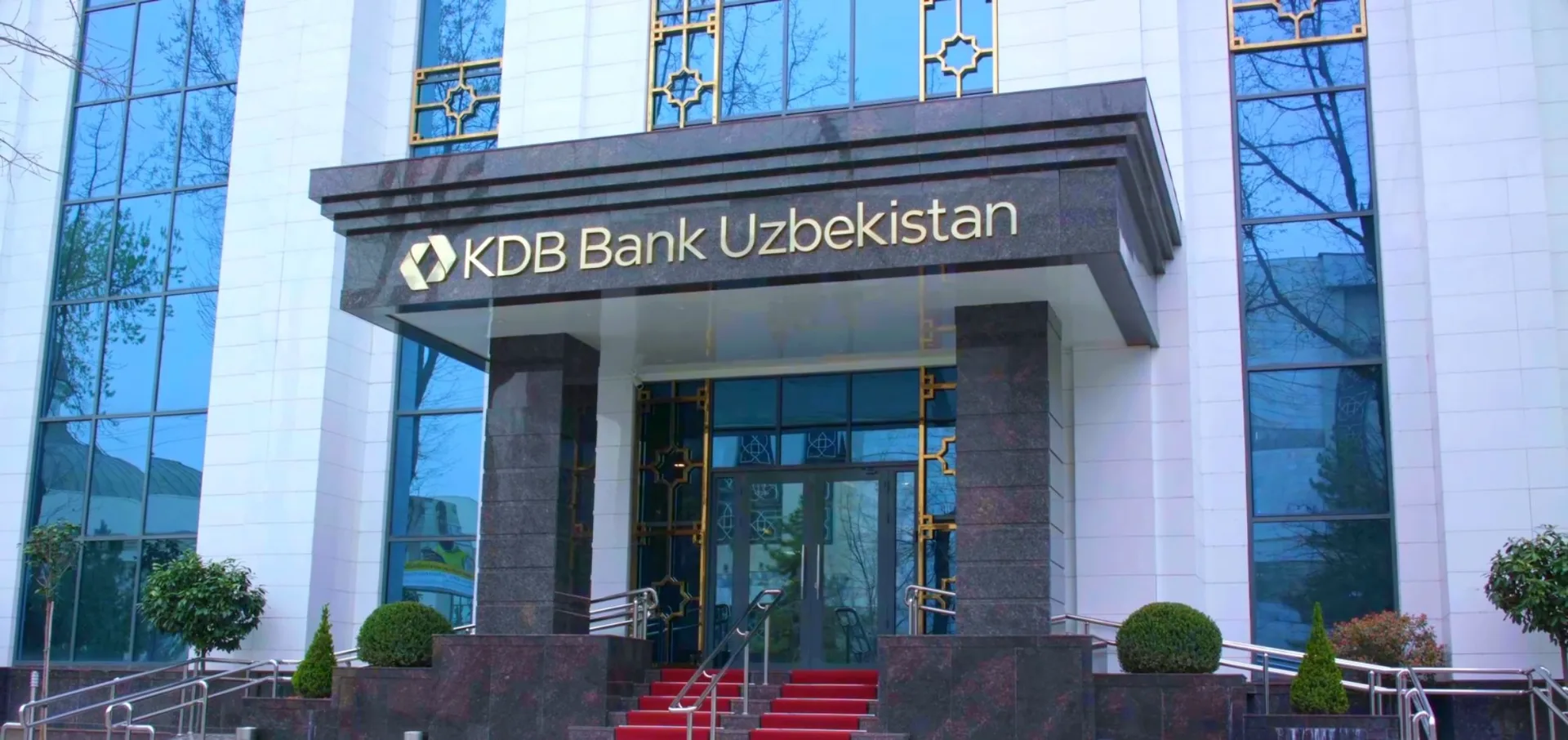
On October 2, 2026, "KDB Bank O'zbekiston" JSC executed an extraordinarily massive financial transaction in the domestic money market. According to the unified corporate disclosure portal, the bank entered into a reverse REPO agreement with the Central Bank of the Republic of Uzbekistan amounting to a staggering 2,999,953,305,962 UZS (approximately 3 trillion UZS).
Given that the bank's total asset balance at the end of the previous quarter was 13.81 trillion UZS, this single transaction accounts for an impressive 21.7% of the entire institution's balance sheet. To truly grasp the strategic significance of this move, one must understand the mechanics of a reverse REPO deal. In simple financial terms, it is a risk-free mechanism where a commercial bank holding excess cash temporarily parks its funds with the Central Bank.
In exchange, the commercial bank receives highly secure government securities as collateral. When the short-term agreement matures, the Central Bank repurchases the securities, returning the principal amount along with a guaranteed interest yield. In this specific transaction, KDB Bank is officially acting as the alienator of funds.
Why would KDB Bank choose to park 3 trillion UZS with the regulator instead of injecting it into the economy through corporate loans? The answer lies in the bank's strictly conservative risk-management framework. As an institution primarily serving large multinational corporations, KDB Bank naturally accumulates massive pools of structural liquidity. Deploying such a colossal amount into the real sector carries inherent credit risks, including potential non-performing loans. By opting for the Central Bank's facilities, KDB ensures absolute capital preservation, locking in a guaranteed, risk-free return tied to the policy rate.From a broader macroeconomic perspective, this transaction is a textbook example of liquidity sterilization.
The Central Bank proactively absorbs surplus cash from major institutional players to prevent excessive money supply from flooding the market, thereby curbing domestic inflationary pressures. Ultimately, this multi-trillion-sum transaction serves as a testament to KDB Bank's unmatched financial stability. The institution successfully shields its clients' capital from market volatility while maintaining pristine liquidity ratios aligned with rigorous international banking standards.